


17 Nov Protected Areas – Victims of Their Surroundings
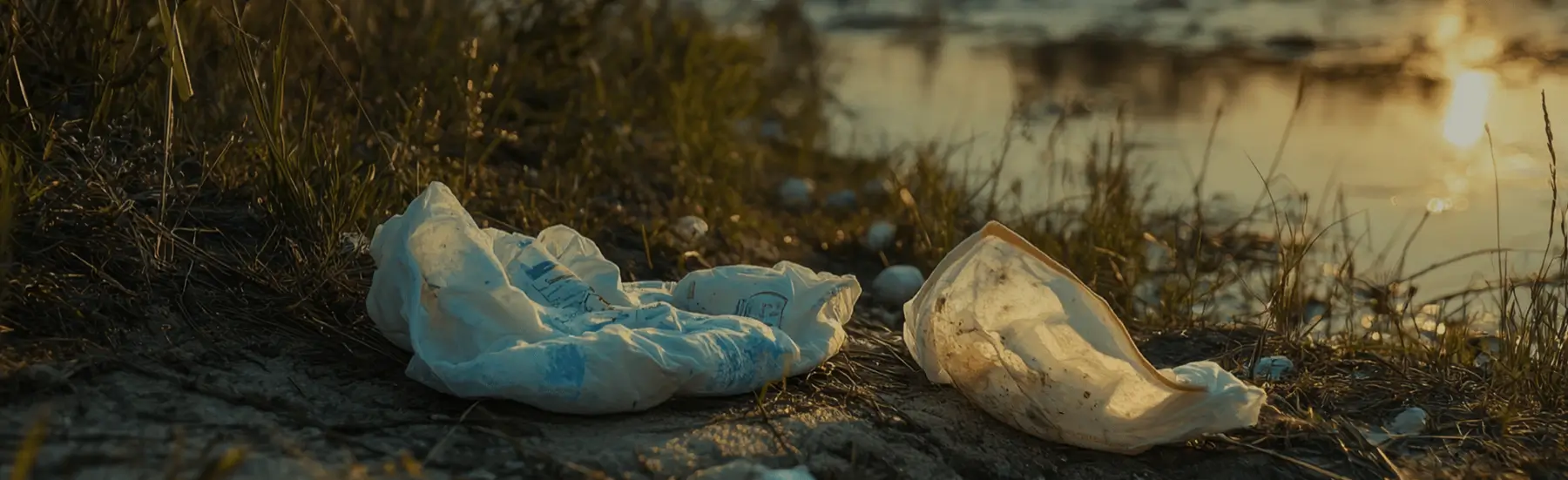
Few people are aware that one many of issues that water scientists and managers in the Kruger National Park (KNP) worry about is disposable nappies. This is not because of their own family situations or a fixation with babies tummies, but rather because of the role these modern conveniences play in water pollution.
Huge numbers of used nappies are carelessly discarded in the river catchment areas upstream of the KNP annually, resulting in the spread of toxic E. coli (Escherichia coli) bacteria, which is carried in human excrement.
Several million people live in the catchment areas outside the park but many do not have access to environmentally safe ways to dispose of nappies, which get dumped into landfill sites, sewers, or simply thrown away with other litter. This can result in blocked sewers overflowing directly into rivers and landfill sites or littered areas, leaching bacteria into the water table. Disposable nappies also take a long time to decompose and may block drainage lines or streams. This problem is exacerbated by poorly maintained municipal sewage treatment plants which sometimes overflow into watercourses.
The E. coli pollution has serious consequences for the maintenance of healthy riverine ecosystems within the KNP and elsewhere downstream in Mozambique, where the rivers are critical sources of drinking water. (Officials in the KNP ensure that water at rest camps is carefully treated and is safe to drink).
Scientists and officials KNP try and alleviate some of the threats through various projects in the river catchment areas but burgeoning human populations and agricultural, mining and industrial activity complicate their task.
Pollution affecting rivers in the KNP includes E. coli, insecticides and fertiliser used in agriculture, and mining waste, including heavy minerals. Large quantities of water are also extracted from the rivers for domestic, industrial and agricultural use, reducing their flow and their ability to dilute pollutants. A further significant factor is that of climate change, which has various impacts on river flow.
Although the nappies are only one of the many sources of pollution found in the rivers it emphasises the point that protected areas are not operated as islands surrounded by humans, and what happens beyond their borders can have dire consequences for wildlife habitat and the creatures dependent upon it.
There are myriad threats facing protected areas from outside their borders. Poaching of wildlife is perhaps the most obvious threat and the trade in rhino horn, elephant ivory and pangolins by criminal syndicates has received widespread publicity. Less well known is the commercial poaching of plants such as cycads and creatures such as tortoises, lizards, chameleons and even spiders and beetles for the international pet trade.
Subsistence poaching is also widespread and is often linked to poverty in the rural areas where most national and provincial parks are located. Small animals such as warthogs, impala and other antelope are often snared or hunted with dogs and men armed with spears or guns in an effort to provide food. Poorly managed national economies, the lack of jobs and burgeoning human populations in many instances contribute to forcing people into poaching to feed their families. Similarly, poorly managed agricultural policies and increasing livestock populations often led to the depletion of grazing outside protected areas and herders sometimes cannot resist grazing their animals inside protected areas, particularly in areas where parks are not fenced.
Overgrazing and deforestation outside of parks also leads some rural people to see protected areas as sources of thatching grass, firewood and plants for medicinal purposes. Some parks have programmes in place which permit a limited amount of plant material to be removed, but illegal harvesting is an ever present threat.
Other threats include ill-advised large scale projects and others simply aimed at making a profit without concern for the environment.
In Tanzania, the environmental health of the Ruaha National Park has been severely damaged by the unsustainable and poorly planned extraction of water by a giant rice paddy scheme built upstream from the Park. Water flow in the Great Ruaha River, the lifeblood of the park, has been severely curtailed with disastrous consequences.
Similarly the construction of a coal mine along the boundary of the Umfolozi-Hluhlwe Park in KwaZulu Natal contributes significantly to light, noise and water pollution within the Park.
The spread of alien plants also impacts on the health of protected areas. Invader plants which sometimes dominate indigenous species lead to a decline in food availability for wildlife. Alien plants such as water hyacinth have harmful impacts on the health of freshwater bodies.
Less obvious threats can include acid rain which may be the result of gas and smoke emissions from heavy industry hundreds of kilometers from national and other parks.
The managers and scientists who look after protected areas are well aware that in order to adequately protect the world’s diminishing wild places they have to look well beyond the borders of areas they protect.
They know that while it is important to ensure that guests and staff in the KNP do not throw disposable nappies into drains or rivers within the park it is just important to ensure that this does not happen in catchment areas far away from the park.
Effective protection of biodiversity in national and other parks requires effort and commitment at all levels of society. Central government needs to formulate and promote far sighted and efficient policies, which in turn have to be supported at local authority level as well as within industry, mining and agriculture.
Civil society has a no less important role to play too but in order to achieve this widespread environmental education at community level is needed.