


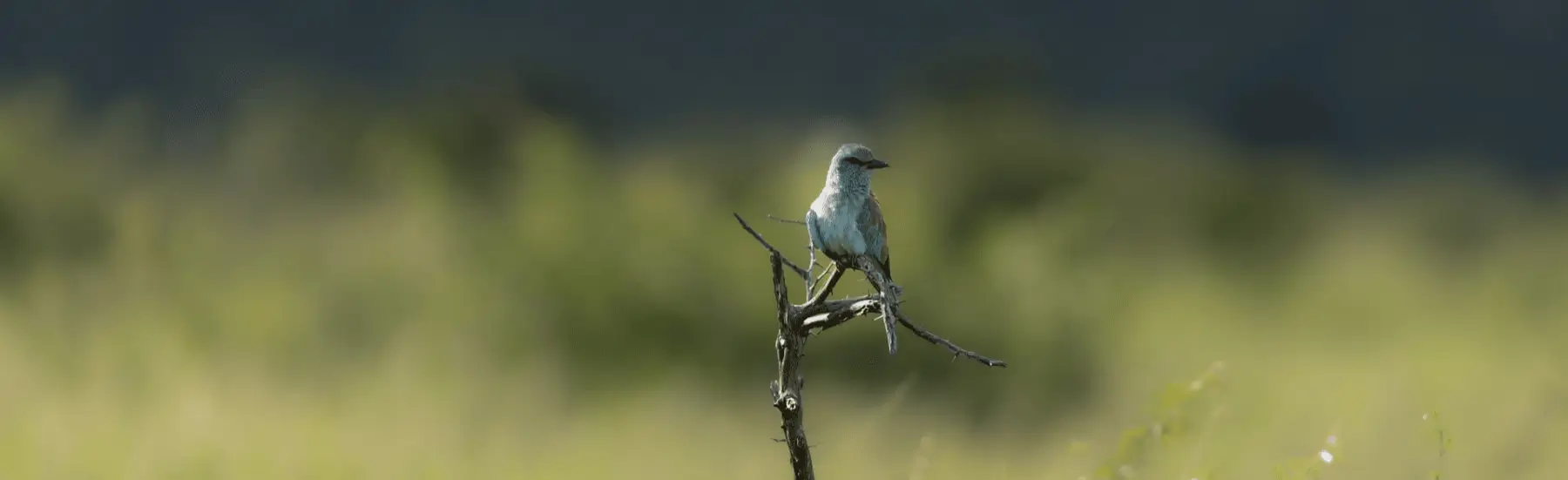
04 Aug Kruger National Park Turns 100: A Century of Wildlife Recovery and Biodiversity (Part 2)
When we launched this series to mark the Kruger National Park’s 100th anniversary, we began at the beginning: the social and political history behind its founding. This month, we turn to something just as foundational, but far less visible; the sheer scale and complexity of life the park protects.
Say “Kruger” to most people and they’ll picture lions on a koppie or a leopard draped over a marula branch, the stars of a thousand wildlife documentaries and Instagram reels. But the Big Five are a tiny fraction of what actually lives within the park’s 20,000 square kilometres. From a five-gram shrew to six-tonne bull elephants, from 19,700 species of insect to the eagles that hunt them, Kruger’s biodiversity is a story of extraordinary richness, and of a century-long recovery from the brink.

A Park Built on Numbers
The scale is worth sitting with for a moment. Kruger’s 20,000 square kilometres provide habitat for no fewer than 148 species of mammal (149, if Homo Sapiens counts), 507 birds, at least 336 trees, 114 reptiles, 49 fish, 34 amphibians, and over 1,200 species of plants. Insects alone account for more than 19,700 species, a figure scientists using DNA modelling estimate represents 47% of every insect species identified across southern Africa.
Those numbers only tell half the story, though. A century ago, this landscape looked nothing like it does today.

A Landscape Emptied: The 19th Century Slaughter
When the KNP was formally declared in 1926, the population of larger mammals was a fraction of what it is today. Throughout southern Africa, the 19th century had seen the unprecedented slaughter of antelope for food and skins, and large numbers of elephants and rhino were shot for ivory and horns.
Predators were often shot as “vermin,” although some, including leopards, were killed for their skins to supply the fashion industry.
Export figures from Durban, a major route for the shipment of wildlife products from across the region, give an indication of the scale of the killing: between 1884 and 1904, 883,444 kg of elephant tusks, 19,245 rhino horns and 2,015,246 animal skins were exported. In his book Saving the Zululand Wilderness: An Early Struggle for Nature Conservation, professor Donal McKracken also notes that during the same period large quantities of wildlife products, particularly elephant ivory, were also exported via Delagoa Bay (now Maputo in Mozambique).
The slaughter was aggravated by the devastating rinderpest epidemic, a viral disease that kills cattle and even-toed ungulates (buffalo, giraffe and most antelope species), which swept through many parts of southern Africa in the 1890s, killing millions of cattle and large numbers of wildlife.

Rangers and Refuges: The Birth of the Reserve
The Sabi and Singwitsi game reserves, later amalgamated to form the KNP, were created to try and preserve remaining populations, but the devastation to elephant populations wrought by uncontrolled hunting was clear to all who cared to notice.
Harry Wolhuter, one of the region’s first game rangers, wrote in his Memories of a Game Ranger of his excitement when encountering elephants in the Sabi Game Reserve on a patrol in 1902:
“One early morning, about this time, as I rode down towards the Olifants [a river now in the heart of the KNP] I saw what I at first took to be two huge rocks away out in the sandy bed of the river. It struck me as strange that I had not previously noticed this because I had passed this very spot many times; and then as I watched one of the rocks moved distinctly, and with a tremendous thrill it dawned on me that they were elephants! …and I think that these were the first elephants seen in the game reserve.”
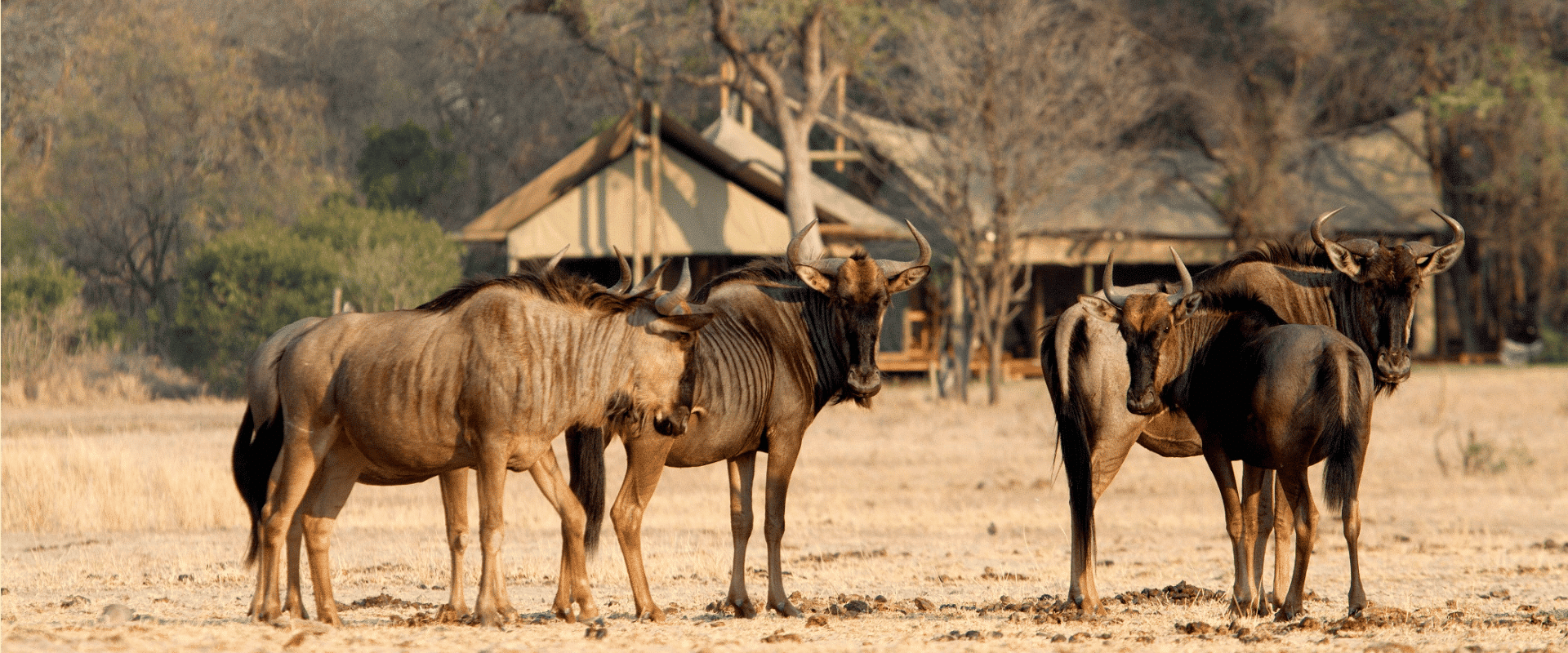
From Near-Empty to Abundant: Kruger’s Wildlife by the Numbers
Wolhuter would have fallen off his horse if he was presented with the numbers of wild animals that are found in the KNP today. SANParks estimated in 2023 that there were about 33,000 elephants, 50,000 buffalo, 45,000 zebra, 10,000 giraffe, between 123,000 and 168,000 impala, and tens of thousands of other animals in the KNP. The lion population is estimated to be about 1,500.
But biodiversity is not merely about the numbers of a single species, it is about the variety of creatures, each occupying its own niche in a delicate mosaic of life across the landscape.

Giants and Tiny Titans: Elephants, Shrews and the Weight of Biodiversity
Large bull elephants weigh between 6,500 and 7,000 kg and are a well-known flagship species in the KNP. Everybody knows they eat a lot of vegetation, which can help open new space for a variety of grasses and plants, but they also break down entire trees. Many creatures, including mongooses, hornbills and others, forage through elephant dung looking for beetles and other insects that feed there.
At the other end of the mammal scale, and offered the same protection as elephants, are many tiny animals that most people have never heard of, and whose role in keeping the environment healthy is not fully understood.
The bicoloured musk-shrew, which weighs just more than five grams and is about 55 mm long, eats insects and spiders but is seldom seen by humans, yet it belongs in the KNP landscape alongside its rather larger fellow citizen. It would take about 1.3 million of these tiny creatures to equal the weight of a single 6,500 kg elephant.

Wings, Winged Termites and the Unseen Engineers of the Veld
The huge martial eagle, its wingspan can reach over 2.5 metres and can reach a weight of over six kilograms, overpowers small antelope, hares, guinea fowl and other sizeable prey, and is a favourite amongst birdwatchers for its dashing predatory behaviour, but many of its fellows are no less interesting or significant to biodiversity.
Another large raptor, the steppe eagle, which has a wingspan of over two metres, also plays a key role in the KNP’s biodiversity but favours much smaller prey: termite alates (winged male termites, often called “flying ants”).
Termites themselves are hugely important to the health of the veld because they eat plant matter, returning it to the soil, and spreading vital nutrients.

The Green Web: Plants, Pollinators and a Living Landscape
Biodiversity does not end with animals. Each species of tree, flower and grass also adds to the complexity of the KNP’s landscape, because each has its own habitat preferences, and each has its own relationships with a range of creatures. Some are pollinated by wind, but many more owe their existence to insects and sometimes even mammals, which carry their pollen, and many serve as food for a wide range of creatures.

A Century of Learning
The KNP and other protected areas play critical roles in protecting this complex web of life, and Harry Wolhuter would fall off his horse again if he’d had the privilege of knowing how much modern science has learnt about the area he rode through all those years ago.
This is the second article in our series marking Kruger National Park’s centenary. Next up: we explore the way wildlife management attitudes have shifted over the past century.
References
Biodiversity baselines: Tracking insects in Kruger National Park with DNA barcodes – Michelle L. D’Souza et al. (2021)

FAQ
How many species live in Kruger National Park?
Kruger National Park is home to 148 mammal species, 507 bird species, at least 336 tree species, 114 reptiles, 49 fish, 34 amphibians, over 1,200 plant species, and more than 19,700 insect species, representing 47% of all insects identified in southern Africa.
How many elephants are in Kruger National Park today?
SANParks estimated in 2023 that around 33,000 elephants live in Kruger, alongside roughly 50,000 buffalo, 45,000 zebra, 10,000 giraffe, and up to 168,000 impala.
When was Kruger National Park established?
Kruger National Park was formally declared in 1926, having grown out of the earlier Sabi and Singwitsi game reserves.
Why did wildlife populations decline so severely in the 19th century?
Unregulated hunting for meat, skins, ivory and rhino horn devastated southern Africa’s wildlife between 1884 and 1904 alone, over 883,444 kg of elephant tusks and 19,245 rhino horns were exported through Durban. The 1890s rinderpest epidemic, a viral cattle disease that also killed buffalo, giraffe and antelope, compounded the losses.
How many lions are in Kruger National Park?
The current lion population in Kruger is estimated at around 1,500 individuals.