


01 Jul Kruger National Park Turns 100: A Social and Political History (Part 1)
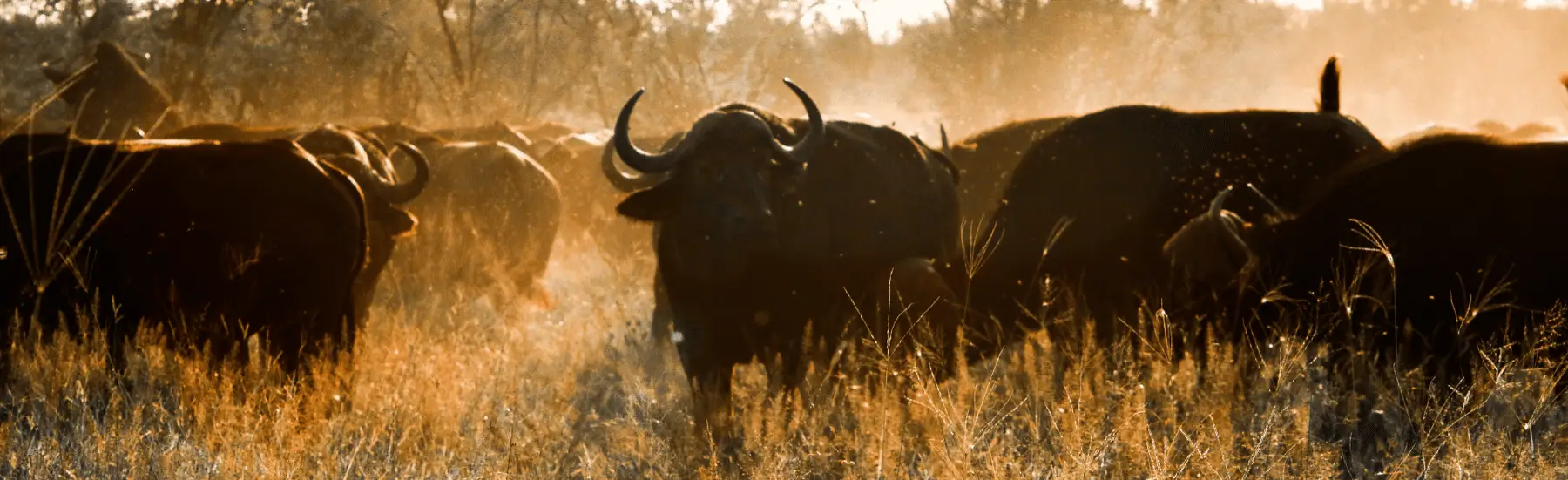
The Kruger National Park (KNP) marked its 100th anniversary earlier this year, a milestone worth pausing on for one of the world’s great wild spaces.
To mark it, we’re launching a series exploring the many layers of this extraordinary place: the social and political history behind its founding, the rich biodiversity within its boundaries, the way wildlife management attitudes have shifted over a century, and the stories of some of the characters who shaped the reserve along the way. We’ll also look at the tourism experiences and accommodation on offer today, and the role the KNP (a national park larger than some countries!) plays in regional and global conservation.
We begin, fittingly, at the beginning.
The Kruger National Park: A Historical Overview
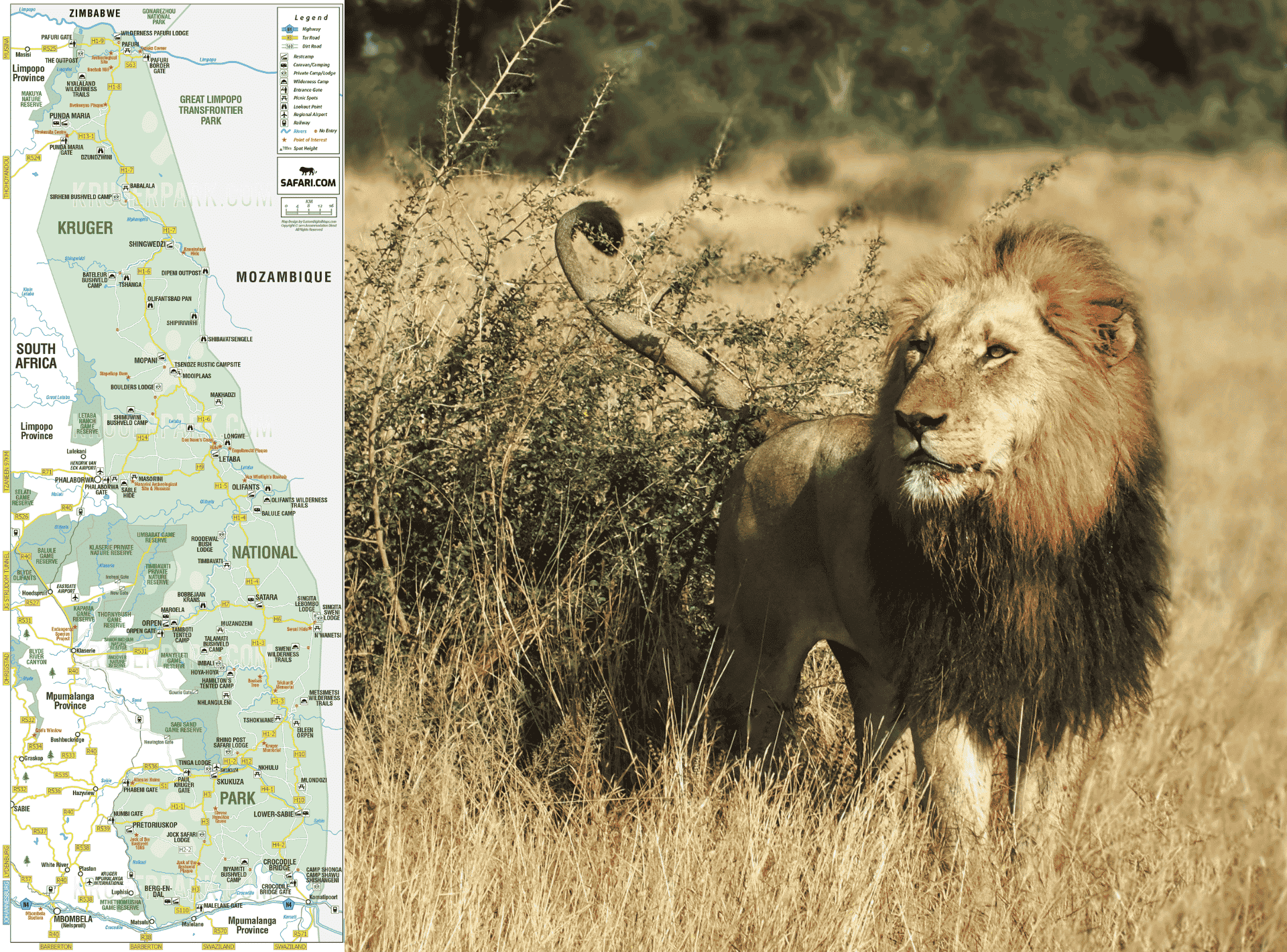
The Kruger National Park, proclaimed in 1926, is one of the best-known and best-managed game reserves in the world, and a hugely popular tourism destination. Covering more than 20,000 square kilometres, an area larger than Israel or Wales, it has a complex and fascinating history that mirrors the political and social development of southern Africa over the past 150 years.
Environmental management in the park has changed dramatically over the last hundred years, and so has the way South Africans view it: once a colonial hunting reserve, now a vital part of the country’s economy, conservation strategy, and political identity.
writes Professor Jane Carruthers in The Kruger National Park: A Social and Political History (1995), published the year after South Africa’s first democratic election.Nature conservation policies are highly political issues and they cannot be evaluated if they are treated separately from the milieu in which they first emerged,
The Kruger National Park is not, and has never been, divorced from the socio-economic concerns of South Africa. Its origins and later history gain interest from being understood in this wider context.
Early Inhabitants and Ancient Trade
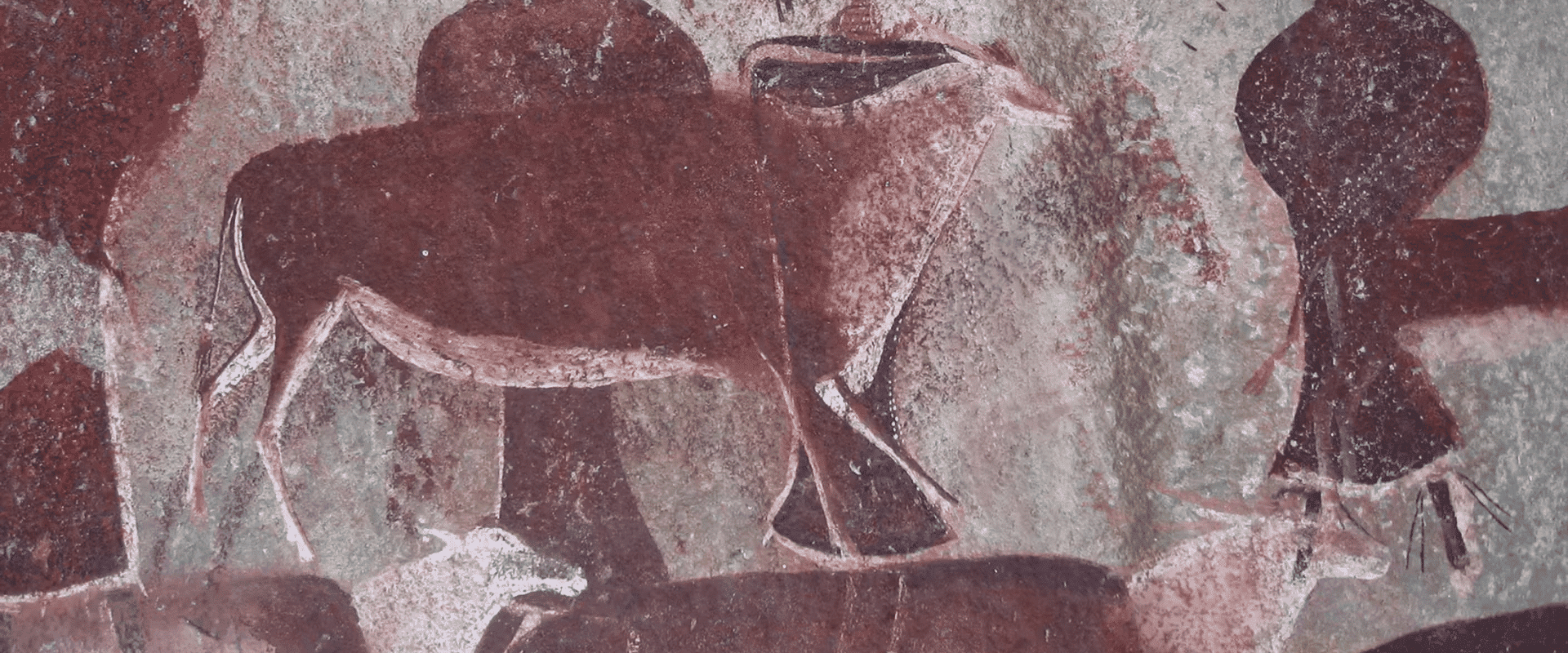
Rock art and other archaeological evidence show that hunter-gatherers moved through the region for thousands of years. The harsh climate and diseases like malaria and sleeping sickness made permanent settlement risky. (Sleeping sickness, carried by the tsetse fly, has since been eradicated in the KNP, and modern anti-malarial drugs have greatly reduced the risk of malaria.)
Before the 20th century, herders from higher-altitude areas sometimes moved through the park, which stretches roughly 350 kilometres from north to south, during the cooler winter months. Some permanent settlements did exist, however. In the north, archaeological research at the stone-walled site of Thulamela shows that people living there 500 to 600 years ago traded with communities across the southern African interior, as well as with merchants from the Indian Ocean coast, some 270 kilometres to the east.
The Colonial Hunting Era
European hunters, traders, and naturalists began visiting the region from the Cape Colony, and occasionally from Mozambique, by the mid-19th century. At the time, southern Africa’s wildlife was widely seen as an inexhaustible economic resource, there for the taking. By the late 1880s, populations were in steep decline: European professional hunters, often employing and arming Black hunters to maximise profits, stripped the land of ivory, rhino horn, and skins. The rapid expansion of agriculture accelerated the decline further, as wildlife came to be seen as an obstacle to farming rather than an asset.
Proclamation of the Sabi Game Reserve
The decline was severe enough that the Transvaal Republic government stepped in. In 1898, President Paul Kruger proclaimed the Sabi Game Reserve, a modest area between the Sabie and Crocodile Rivers, a decision that would later form the core of the KNP.
At the time, South Africa was split into the British-controlled Cape and Natal Colonies, and the Boer-run Orange Free State and Transvaal Republics. Black South Africans were excluded from political representation entirely.
While Kruger’s decision was celebrated for much of the 20th century as a far-sighted act of conservation, historians including Carruthers, have shown it carried political motives too. Wildlife, it was believed, needed protecting for the benefit of White South Africans, based on the mistaken assumption that Black communities were primarily responsible for the decline through subsistence snaring.

Expansion and the Birth of the Kruger National Park
In 1902, Major James Stevenson-Hamilton (later Lieutenant-Colonel) was appointed warden of the Sabi Game Reserve, by then significantly expanded to reach as far north as the Olifants River. A year later, the Singwitsi Game Reserve was proclaimed, a vast stretch of land running from the Letaba River north to the Levubu (now Luvuvhu) River, near the modern-day border with Zimbabwe.
The creation of the Sabi Game Reserve came at a human cost: around two thousand Black residents living within its new boundaries were forced to leave.
Progress slowed during the upheaval of the South African War and the First World War, but in 1926 the Sabi and Singwitsi reserves were merged and renamed the Kruger National Park. Stevenson-Hamilton stayed on as warden until 1946.
The KNP’s formation set off a wave of national park proclamations across South Africa, including the Kalahari Gemsbok, Addo Elephant, and Bontebok National Parks (all in 1931), followed by the Mountain Zebra National Park in 1936.
Segregation and Access
For the KNP’s first 65 years, visitors were overwhelmingly White, in line with South Africa’s segregation policies. The small Balule Camp was set aside for Black, Indian, and Coloured visitors, and some of its earliest guests were Indian South Africans from nearby towns, though conditions there were markedly inferior to facilities reserved for White visitors. Most of the park’s accommodation remained White-only until 1991, when many discriminatory laws were repealed.
Modern Expansion
The park’s borders barely shifted for 70 years. That changed in 1996, when a group of private game reserves along the KNP’s western boundary dropped their fences, expanding the Greater Kruger area by roughly 180,000 hectares (1,800 square kilometres).

Kruger Today
A century after its proclamation, the KNP faces new challenges, particularly around contributing to the economic wellbeing of the millions of people living along its borders. Even so, it remains one of the top game reserves on earth, and an irreplaceable asset for conservation and for South Africa.
This is the first article in our series marking Kruger National Park’s centenary. Next up: the extraordinary biodiversity that makes the park one of the richest wildlife destinations on the planet.
References
Carruthers, Jane. The Kruger National Park: A Social and Political History. University of Natal Press, 1995.
Dlamini, Jacob. Safari Nation: A Social History of the Kruger National Park. Jacana Media, 2020.
FAQ
Why is Kruger National Park celebrating 100 years?
Kruger National Park was formed in 1926 through the merger of the Sabi and Singwitsi Game Reserves, making 2026 its centenary year.
When was Kruger National Park established?
The park was formed in 1926. The original Sabi Game Reserve, which later became part of the KNP, was proclaimed by President Paul Kruger in 1898.
How big is Kruger National Park?
The park covers more than 20,000 square kilometres, roughly 350 kilometres from north to south, making it larger than Israel or Wales.
Who was the first warden of Kruger National Park?
Major (later Lieutenant-Colonel) James Stevenson-Hamilton was appointed warden of the Sabi Game Reserve in 1902 and remained in the role until 1946.
When did Kruger National Park become open to all racial groups?
Most accommodation remained restricted to White visitors until 1991, when many of South Africa’s racially discriminatory laws were repealed.